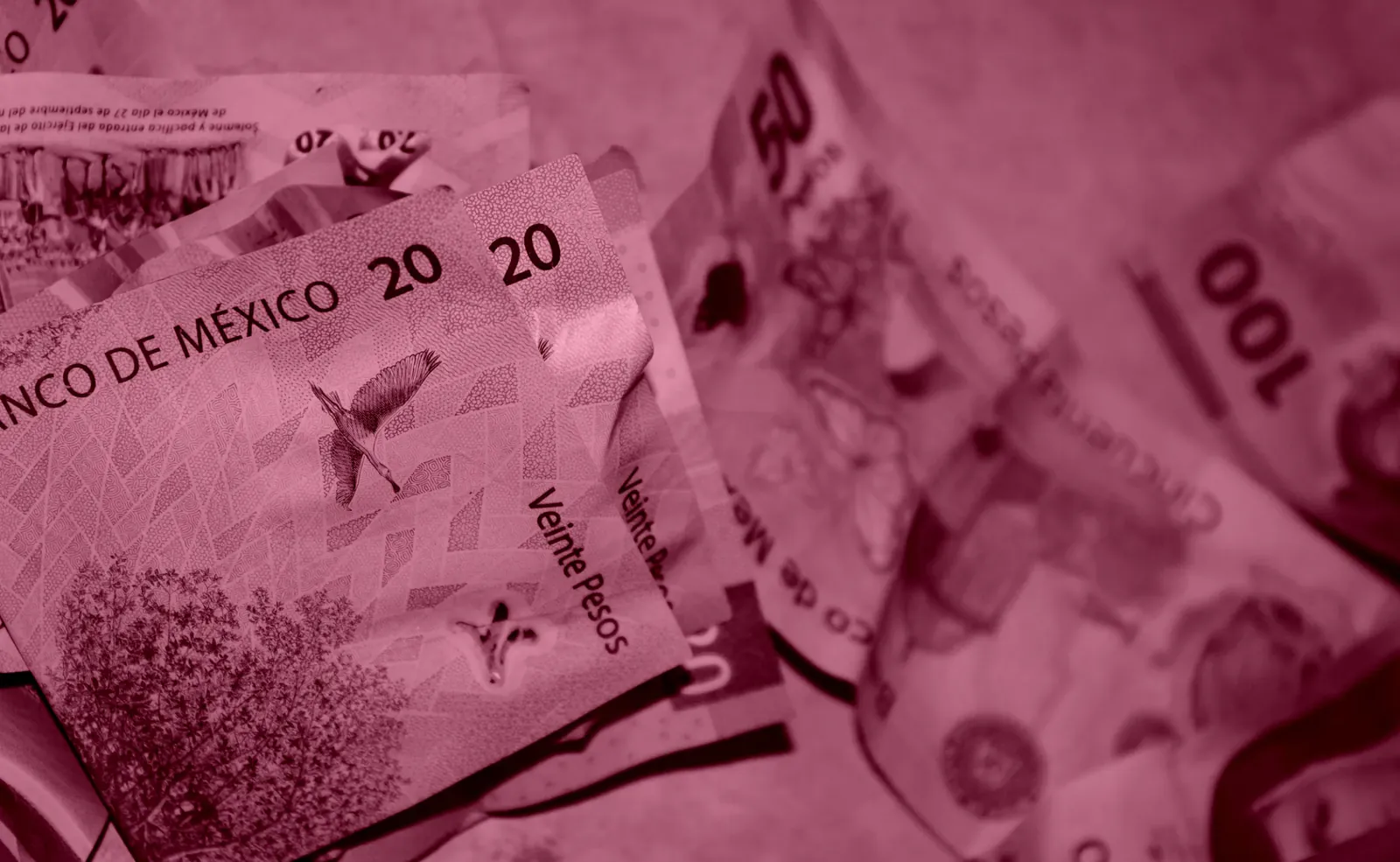
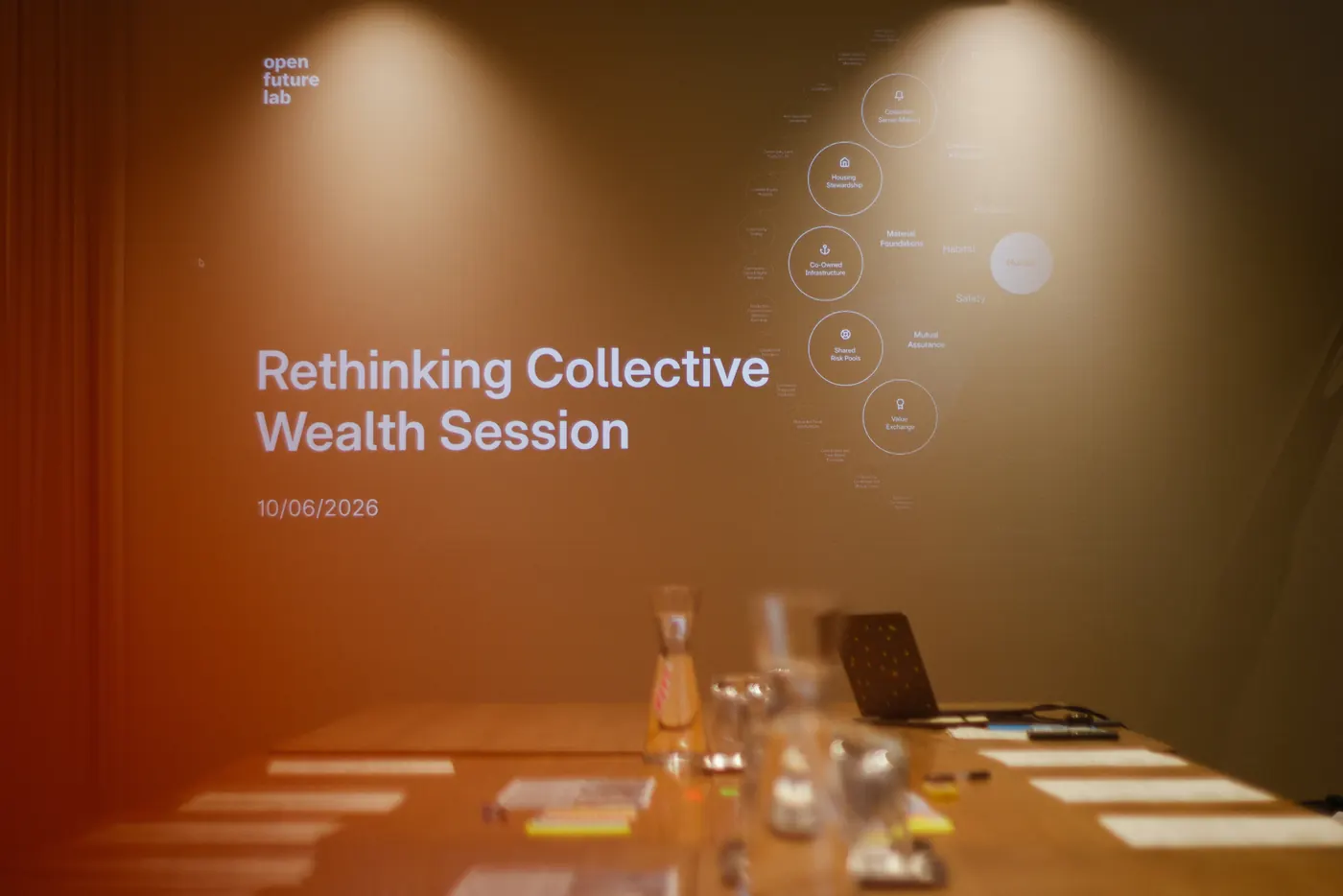
“The Missing Us: Why Independence Feels Safer Than Belonging”an article produced by us, the Open Future Lab, and it builds on interviews with 26 people across 13 countries about how they picture their lives and futures. One person in Croatia told us, "It's much easier to borrow money from banks. Borrowing money from people, it's actually a very humiliating thing." Many others felt the same pressure to look self-sufficient, even while depending on systems and people in ways that of ten stay invisible.
When they imagined the future, they jumped between their private lives and planetary crises. The everyday us in between was the hardest to picture. Without it, independence becomes the safest story to tell about oneself.
In our project Social Compounding, we explore the future of wealth and resilience as something fundamentally collective.
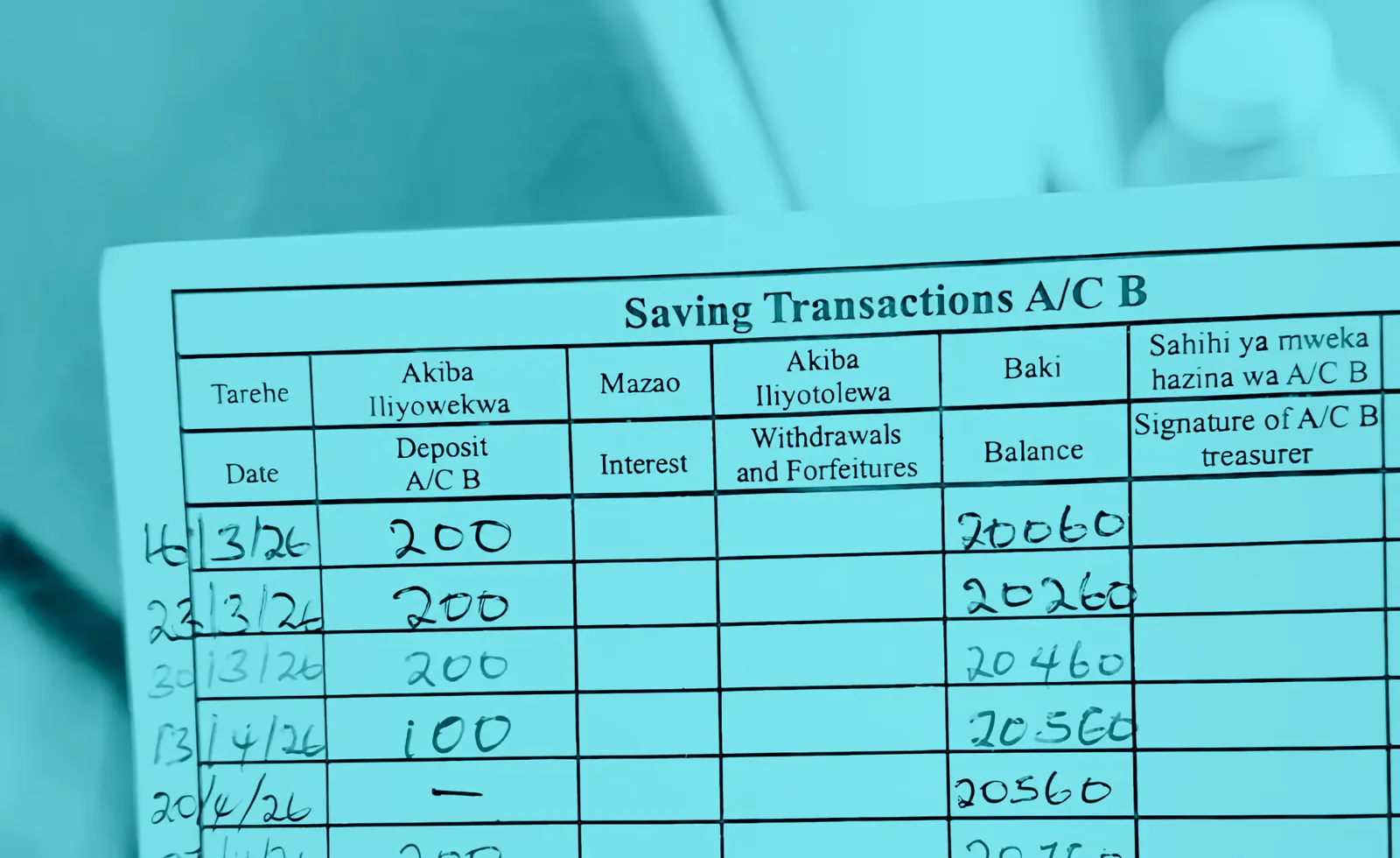
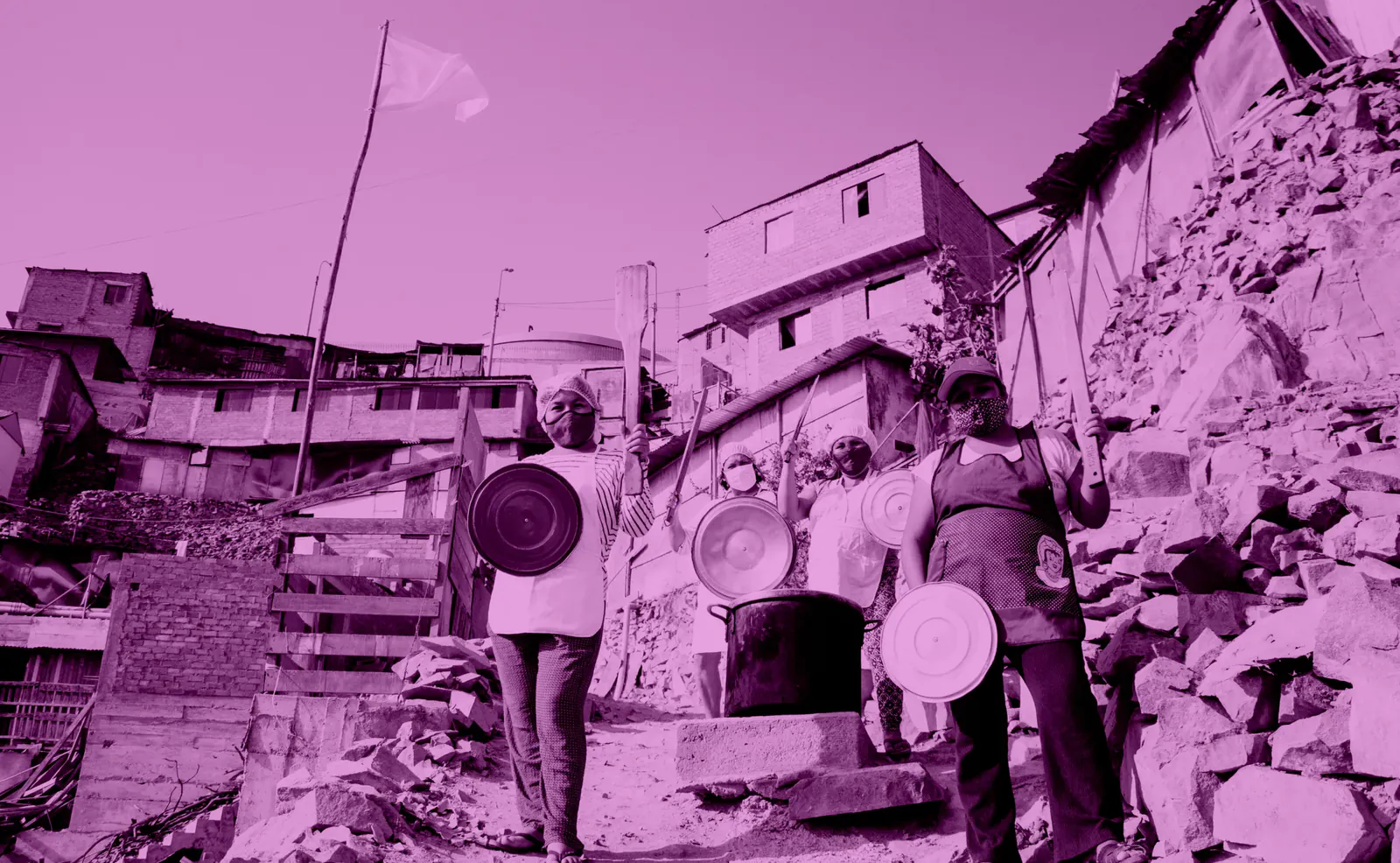
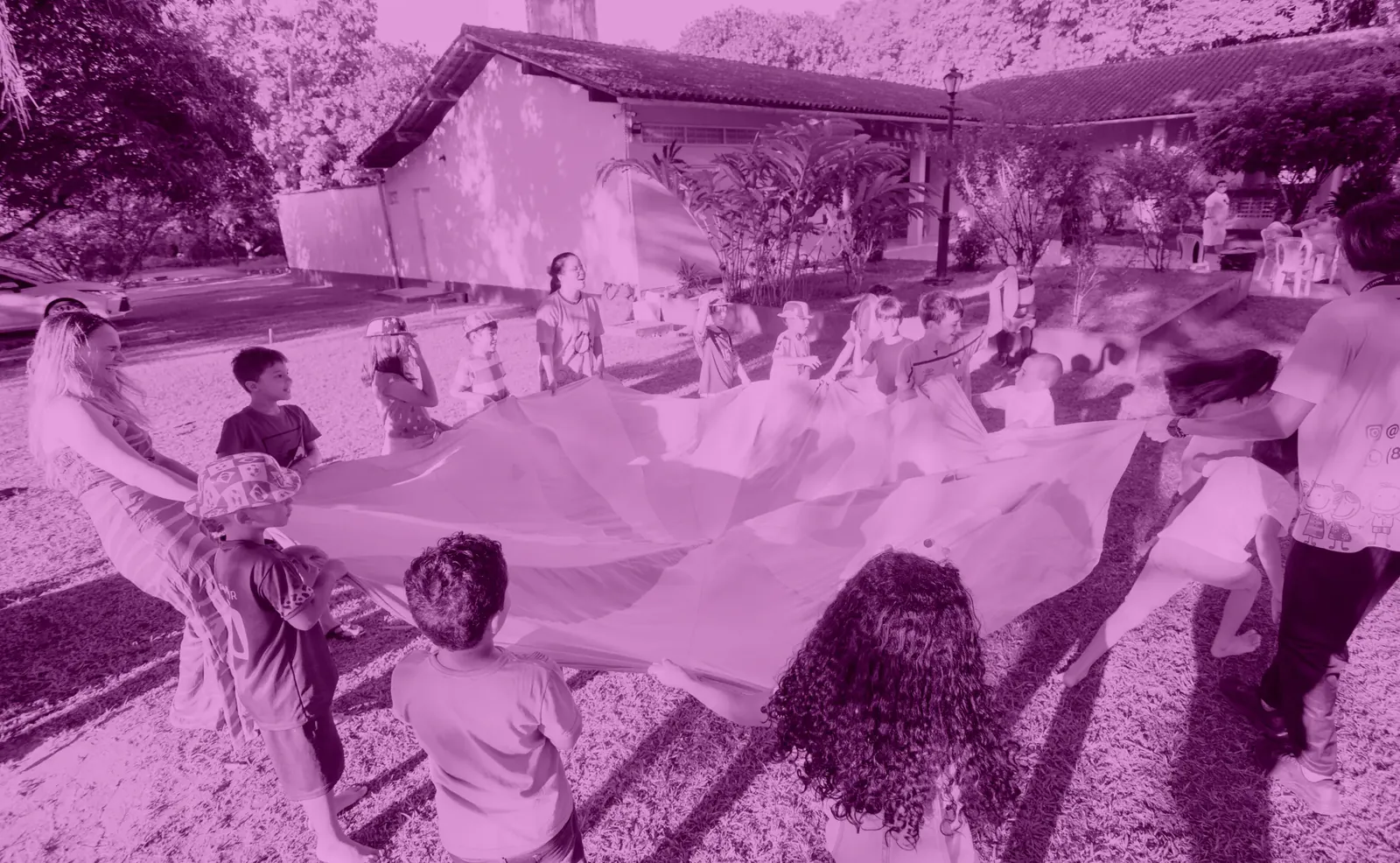
In finance, compounding needs need money for money to grow, which excludes out anyone beginning with nothing or even in deficit. Social compounding works the other way round. It runs on the one thing you've got whether you're rich or not: other people. The returns come from participation. A shared fund gets stronger the more people put into it and use it. So does a co-op, or a piece of land a community owns together, or an archive. It grows. And the group ends up with something none of them could have bought on their own: a safety net, a resource, a vote over things that affect them.
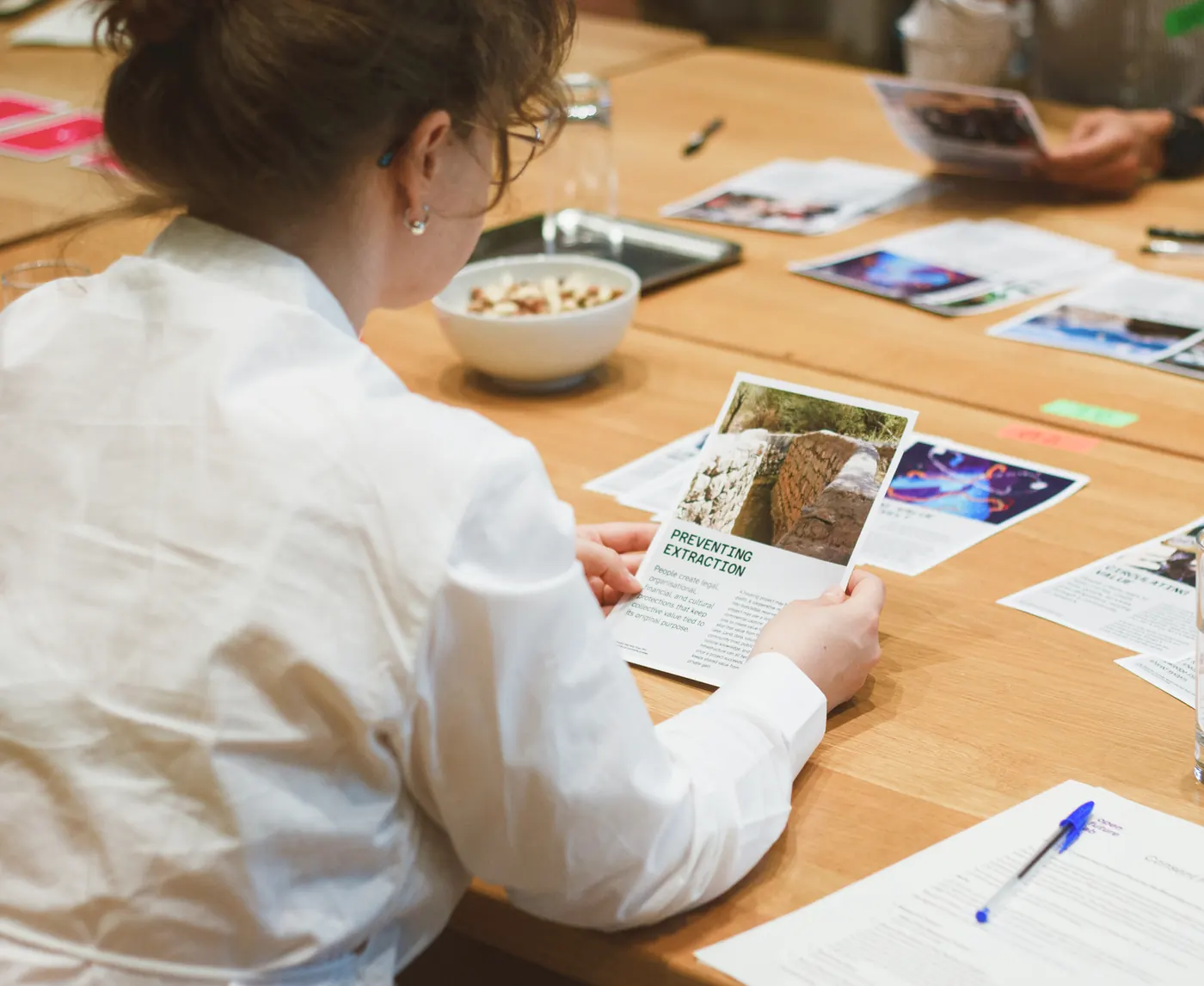
We built a tool, a library of practices to make that resilience logic visible and usable, gathering twelve patterns of social wealth in one place, backed by real-life case studies from around the world. We hope the library gives people a way to imagine how collective action might become part of their own context – as something already happening, in patterns they can learn from and build on.

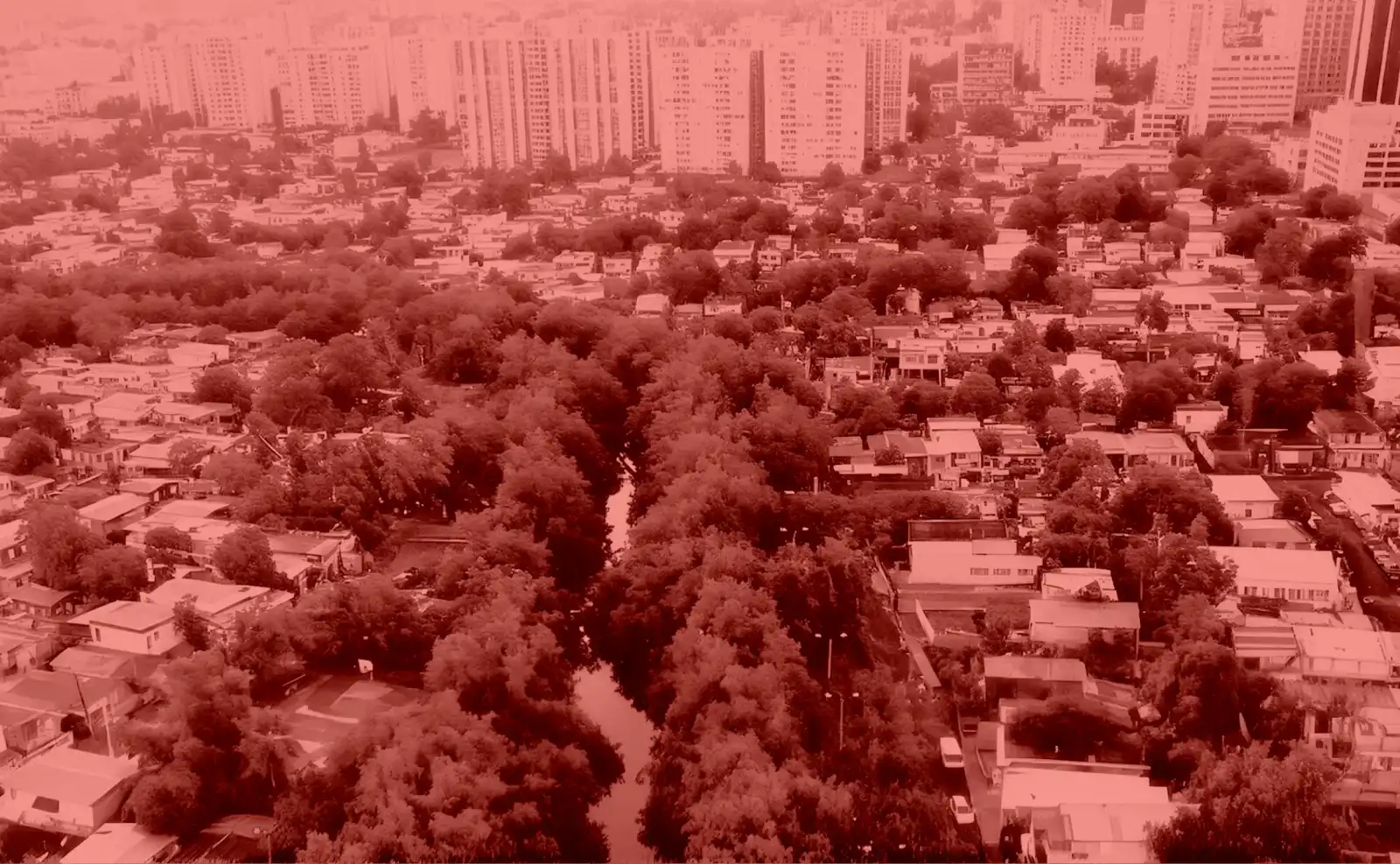
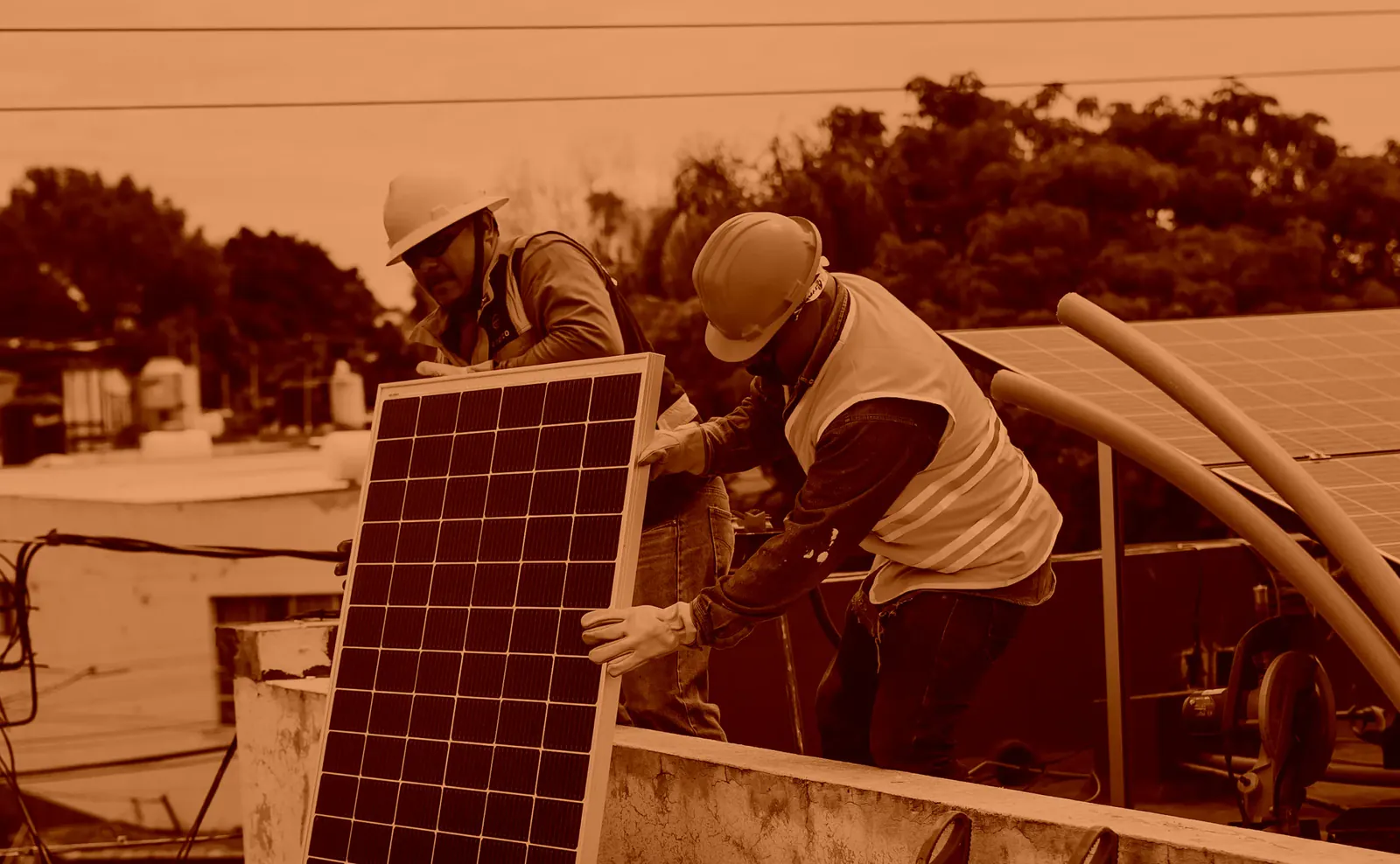
 Puerto Rico